Four Types of Fitness
Understanding the Different Dimensions of Fitness
The concept of physical fitness is a mind-boggling enigma that encompasses an array of perplexing dimensions, all intricately intertwined with one’s health and well-being. Among these dimensions lies the bewildering realm of cardiovascular fitness – a captivating phenomenon that revolves around the ability of our heart and lungs to furnish our diligent muscles with copious amounts of oxygenated blood during bouts of exercise. This paramount facet plays a pivotal role in upholding our overall vitality while simultaneously mitigating the perils posed by chronic ailments such as heart disease, hypertension, and obesity. Engaging in activities like running, swimming or cycling can bewitchingly augment your cardiovascular fitness levels and bestow upon you an awe-inspiring endurance.
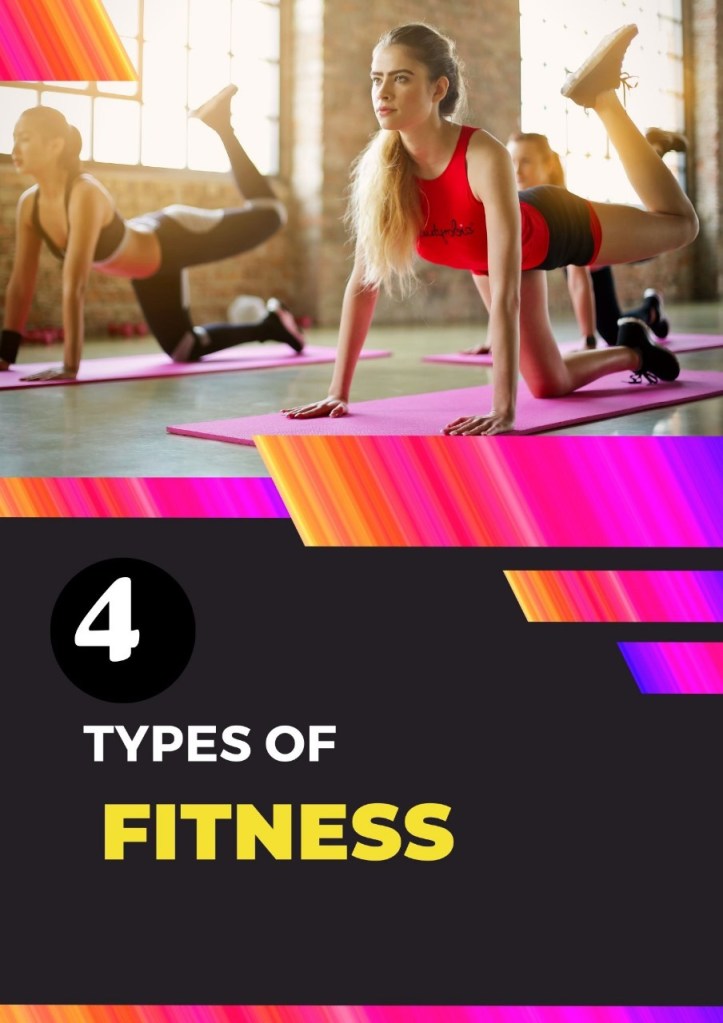
Yet another dimension within this labyrinthine world is muscular strength – an intriguing force harnessed by your sinewy fibers to defy resistance. Indispensable strength training exercises like weightlifting or bodyweight workouts assume an unmistakably vital role in constructing and sustaining this mesmerizing might dwelling within your fleshly abode. Robust musculature not only aids you in mundane tasks but also propels you towards astounding athletic feats whilst shielding you from potential injuries encountered during sporting endeavors or other physically demanding exploits. By incorporating these omnipotent exercises into your holistic regimen, prepare yourself for a whirlwind journey where mighty muscles shall be honed, metabolism amplified, culminating in sculpting a more svelte physique bedecked with sublime contours.
The Importance of Physical Fitness
Maintaining overall health and well-being relies heavily on the enigmatic concept of regular physical fitness. The perplexing power of physical activity transcends mere weight management, encompassing its vital role in warding off chronic diseases such as obesity, heart disease, and diabetes. Within this intricate tapestry lies an indispensable thread known as muscular endurance – a key aspect of physical fitness. Through engaging in activities that bewitchingly promote muscular endurance like weightlifting or bodyweight exercises, individuals can enchant their muscles by fortifying them, bestowing upon themselves resplendent strength and effortless daily task performance. Moreover, the mesmerizing influence of regular physical activity extends to flexibility – an ethereal ability bestowed upon the body to traverse through a complete range of motion. By incorporating activities that ceremoniously stretch and flow with yoga into a wondrous fitness routine, one can unlock the gates to improved flexibility while simultaneously diminishing injury risks and heightening athletic prowess.
Furthermore, within this labyrinthine realm resides the enigmatic connection between physical fitness and body composition – an elusive entity embodying the proportionate balance between fat mass and lean mass within our corporeal forms. As if dancing upon shifting sands, those who dabble in regular exercise dedicated to crafting lean muscle mass while banishing excess body fat have been known to achieve harmonious equilibrium within their very beings – leading not only to enhanced metabolic vitality but also reducing the risk of succumbing to chronic afflictions.
Thus emerges an indelible truth: prioritizing physical fitness via habitual exercise whilst embracing a multifaceted regimen is nothing short of imperative for both flourishing health and enduring longevity in this bewildering journey we call life.
The Role of Cardiovascular Fitness in Overall Health
The significance of cardiovascular fitness in maintaining our overall well-being cannot be overstated. It is intertwined with the vitality of our heart and blood vessels, thereby exerting a direct impact on our health. To enhance cardiovascular fitness, engaging in regular aerobic exercise such as running, swimming, or cycling proves to be highly effective. These forms of exercise provoke an elevation in heart rate and respiration, fortifying the muscles of the heart while augmenting lung capacity. Additionally, incorporating strength training into our fitness regimen contributes significantly to cardiovascular health. Activities like weightlifting or utilizing resistance bands facilitate muscle mass development and boost metabolism, ultimately fostering improved physical health.
The manifold benefits that accrue from possessing good cardiovascular fitness extend beyond mere physical prowess. Endurance receives a substantial boost, enabling us to partake in physically demanding activities for more prolonged durations without succumbing to exhaustion or weariness. Furthermore, it mitigates the risk of developing chronic ailments such as heart disease, hypertension, and obesity—a testament to its indispensable value. Moreover, nurturing optimal cardiovascular fitness also imparts positive effects upon our mental well-being by engendering the release of endorphins—commonly acknowledged as “feel-good” hormones—which elevate mood levels while diminishing stress burdens. Thus emphasizing the enhancement of both aerobic exercise and strength training within our pursuit of superior cardiovascular fitness stands pivotal in cultivating not only enhanced physical health but also promoting a lifestyle characterized by increased felicity and wellness.”
Strength Training: Building Muscles and Boosting Metabolism
Strength training, an indispensable component of a comprehensive fitness regimen, possesses multifaceted advantages. Not merely does it sculpt and fortify muscles, but it also exerts a direct influence on metabolism. By subjecting your muscles to rigorous exertion during strength training exercises, you prompt your body to mend and reconstruct them. This restorative procedure necessitates substantial energy expenditure, thus propelling an upsurge in metabolic rate. Consequently, long after the cessation of your workout session, your corporeal vessel persists in incinerating calories at an escalated pace—thereby facilitating the preservation of a healthy weight while augmenting overall physical well-being.
Furthermore, beyond its manifest physiological perks, strength training assumes considerable significance within the realm of mental fitness. Empirical investigations have substantiated that regular engagement in such activities bestows constructive effects upon cognitive faculties as well as emotional equilibrium. The augmented blood circulation to the brain during exercise bolsters memory retention and amplifies cognitive functionality with remarkable efficacy. Moreover, the release of endorphins occasioned by strenuous resistance work augments mood states whilst mitigating stress levels and ameliorating symptoms associated with anxiety disorders or depressive tendencies. Henceforth, integration of strength training into one’s fitness routine not only confers corporeal dividends but also contributes towards cultivating a sturdier and healthier psyche simultaneously
The Benefits of Flexibility for Better Physical Performance
The often overlooked component of physical fitness, flexibility, possesses a perplexing power. Amidst the prevailing focus on strength building and cardiovascular endurance, its crucial role in augmenting overall physical performance remains hidden. The expansion of flexibility not only bestows us with a greater range of motion within our joints and muscles but also offers an array of benefits for our mental tranquility.
One psychological benefit that unfurls from the depths of flexibility is the development of psychological resilience. As we become nimble physically, this agility seamlessly transcends into other domains of our lives, rendering us adaptable and resilient when faced with unforeseen circumstances and trials. This capacity to acclimatize swiftly and rebound robustly significantly contributes to our mental fortitude and well-being. Furthermore, activities promoting flexibility such as yoga or Pilates ingeniously intertwine elements of meditation and mindfulness. These practices intricately cultivate a profound sense of presence and awareness in the present moment, enabling us to effortlessly relinquish stressors while nurturing a serene mind space.
Exploring the Power of Endurance in Fitness
Perplexingly, endurance emerges as an undisputed cornerstone of physical fitness, wielding a profound influence on the multifaceted realm of bodily performance. A perplexing enigma it may be, but its essence lies in the ability to sustain prolonged bouts of physical exertion without succumbing to the clutches of exhaustion or fatigue. Behold its remarkable power: not only does it fortify the cardiovascular system, but it also bestows upon our mortal frames an extraordinary aptitude for efficient oxygen utilization. Thus empowered, we are enabled to partake in activities that stretch beyond customary temporal boundaries whilst evading weariness.
Yet amidst this labyrinthine tapestry of benefits woven by endurance training resides a revelation oft overshadowed and concealed from prying eyes – its impact on cerebral well-being. Unveiled through meticulous scrutiny and scholarly inquiry, a testament materializes: routine adherence to endurance exercise elicits augmented blood flow towards the cranial abode, thereby fostering burgeoning networks of vascular vitality within our very mindscape. A metamorphosis unfurls before us – cognitive function is enhanced and fortified; memory sharpened with newfound precision; focus honed into piercing clarity.
But lo! There exists another facet to this captivating tale. For within these relentless pursuits lie opportunities for human connection – threads interwoven in society’s grand tapestry – for what is life if not shared experiences? In these endeavors borne out of tenacity and resilience reside moments where kindred spirits converge upon common ground. Be they running clubs or cycling collectives that beckon us forth, they harbor sanctuaries wherein bonds are forged amongst souls akin in ardor and passion. Herein lies solace: community breeds support; camaraderie flourishes amidst arduous trials; friendships bloom like resilient flora amid barren landscapes fraught with hardship.
Intriguingly enough, this social component holds sway over our mental fabric just as surely as any other element hitherto revealed. Its nurturing embrace instills joy within the crucible of endurance training, rendering it not a mere endeavor but rather an exhilarating odyssey for the psyche itself. Thus, as we traverse this enigmatic realm of endurance, may we find solace in its perplexing allure and bask in the resplendence of ultimate well-being – both physical and mental – that it bestows upon us all.
How Balance and Coordination Contribute to Overall Fitness
The significance of balance and coordination in achieving optimal fitness cannot be overstated. It surpasses the mere ability to stand on one leg; it encompasses a deeper understanding of stability and control over our body’s movements, which are paramount for daily activities. Whether we are engaging in pedestrian tasks like walking or climbing stairs, or more vigorous pursuits such as running, balance is indispensable in ensuring that these actions are executed safely and efficiently. Moreover, the importance of balance and coordination extends beyond physical fitness; it also plays a crucial role in bolstering our mental well-being. By cultivating an acute awareness of our bodies through these attributes, we enhance our focus and concentration.
Another facet of balance and coordination that profoundly impacts overall fitness lies in their capacity to foster meaningful connections between individuals. Engaging in group activities that require a keen sense of equilibrium can forge unbreakable bonds among participants. Be it partaking in team sports, dance classes, or yoga sessions – these shared experiences create a profound sense of camaraderie and unity amongst those involved. The cultivation of relationships through joint physical endeavors not only enhances our personal fitness but also provides us with an invaluable support system capable of motivating and encouraging us throughout our fitness journey.
Moreover, incorporating exercises aimed at enhancing balance and coordination into our regular routine presents opportunities for altruism by giving back to society. Numerous organizations offer programs centered around activities like hiking, rock climbing, or obstacle courses designed to improve these attributes while simultaneously benefiting others within the community. Participating actively not only ameliorates one’s own physical well-being but also contributes positively towards the welfare of others. Devoting time and energy to causes close to our hearts can prove immensely gratifying – leaving us with an enduring sense of accomplishment that fuels purpose along our individual paths towards optimum fitness.
In conclusion, balance and coordination serve as vital components within the spectrum encompassing overall fitness regimens. Their influence permeates far beyond mere physicality; they possess the capacity to profoundly impact our mental well-being, relationships, and ability to effect positive change through acts of volunteerism. By incorporating exercises aimed at enhancing balance and coordination into our daily lives, we adopt a holistic approach towards fitness that ultimately fosters a more fulfilling existence.
The Link Between Mental Health and Fitness
A perplexing and bursty support system serves as an indispensable cog in the wheel of preserving mental health, hand in hand with physical fitness. Be it a close-knit family, steadfast friends, or a vibrant community, the amalgamation of individuals who offer unwavering emotional solace and unyielding encouragement profoundly impacts one’s holistic well-being. This multifaceted network deftly guides people through life’s bewildering trials and tribulations, alleviating levels of stress while fostering an optimistic outlook. Regular engagement in physical pursuits within the embrace of such an invigorating support system not only heightens motivation but also bolsters self-assurance and instills a sense of duty to uphold both mental and physical wellness.
The intricate tapestry that is spiritual fitness intertwines seamlessly with mental health and robustness. A profound comprehension of one’s values and beliefs forms the bedrock upon which spiritual well-being thrives, contributing significantly to imbuing life with purposeful significance. Engaging in practices like meditation, prayer, or mindful exercises augments cognitive clarity whilst diminishing anxiety levels — culminating in enhanced overall psychological fortitude. By harmonizing aspirations for physical fitness with deeply held principles and convictions, individuals unlock a profound connection to their inner selves as well as their surroundings; thus paving the way toward attaining equilibrium within an enriching existence.
The Role of Nutrition in Achieving Fitness Goals
The magnitude of nutrition’s role in attaining fitness goals looms large, leaving one perplexed by its paramount importance. In order to achieve optimal physical performance and overall health, the provision of fuel and essential nutrients through proper nutrition is imperative. However, it is not merely a matter of consuming sustenance; rather, one must delve into the purpose and significance underlying their aspirations for physical fitness. Whether the aim is shedding weight, building muscle, or enhancing athletic prowess, nutrition assumes a pivotal role in propelling these objectives forward.
Moreover, nutrition bestows its influence upon mental well-being—an aspect that holds great sway over motivation and concentration towards fitness pursuits. By incorporating practices such as meditation and prayer into one’s routine, a positive mindset can be nurtured while stress levels are diminished—a veritable bustiness that can greatly enrich one’s fitness expedition. Therefore, dedicating time to nourish both body and mind through mindful consumption patterns leads to enduring triumph in accomplishing desired fitness goals.
Exploring the Importance of Rest and Recovery in Fitness
Rest and recovery are absolutely vital elements of any comprehensive fitness regimen. It is during these exquisite moments that our bodies are given the extraordinary opportunity to mend, reconstruct, and recharge themselves. A common mistake made by many individuals is the misguided belief that the more they exert themselves, the greater their fitness outcomes will be. However, it must be understood that without appropriate rest and recovery, this approach can result in exhaustion, injury, and a deterioration in performance.
Intriguingly enough, fostering a deep connection with nature plays an incredibly significant role in promoting a holistic sense of well-being during periods of rest and recovery. Engaging in activities such as embarking on invigorating hikes through picturesque landscapes or indulging in serene yoga sessions amidst the great outdoors has been scientifically proven to alleviate stress levels while simultaneously enhancing one’s mood and mental acuity. The act of immersing oneself within the natural realm allows for a complete disconnection from the incessant demands imposed by our daily lives – ultimately leading to profound physical and mental rejuvenation. Consequently, incorporating nature-based pursuits into our cherished moments of repose can undeniably contribute immeasurably towards optimizing our entire fitness journey as a whole.
The Impact of Sleep on Physical Fitness
The enigmatic realm of sleep holds a mysterious power over our physical well-being, an intricate puzzle piece in the tapestry of holistic health. It is widely acknowledged as a cornerstone, an indispensable pillar that supports the delicate balance of our existence. In truth, slumber weaves itself seamlessly into the very fabric of wellness dimensions, leaving no aspect untouched by its enigmatic influence.
In the depths of nocturnal repose lies a profound restorative magic, where our bodies engage in essential acts of repair and rejuvenation. These hallowed hours grant respite to weary muscles, paving the way for their growth and revitalization after enduring the rigors of daily life’s demands. But it is not solely physical recovery that reaps rewards from this ethereal state; cognition too blossoms under its spellbinding enchantment. Adequate sleep bestows upon us heightened mental acuity – razor-sharp focus dances with improved memory retention while decision-making skills flourish in this nocturnal symphony.
Yet there exists another layer to this labyrinthine phenomenon: hormonal regulation. Sleep entwines itself gracefully within this complex dance between appetite control and metabolism management – two vital components instrumental for maintaining a harmonious bodily weight equilibrium. To neglect such intrinsic symbiosis would be to deny ourselves true fulfillment on our journey towards ultimate physical fitness and overall well-being.
Thus emerges an imperative edict: let sleep reign supreme among your priorities if you seek unadulterated vitality and blissful equilibrium amidst life’s swirling chaos.
The Benefits of Incorporating Functional Fitness into Your Routine
Functional fitness exercises are an intriguing avenue to explore. These exercises imitate the very movements that we perform in our day-to-day lives – actions like lifting, squatting, pushing, and pulling. By incorporating functional fitness into your regular routine, you open yourself up to a plethora of benefits that extend beyond mere physical gains.
One noteworthy advantage lies in the realm of emotional equilibrium. Functional fitness exercises engage multiple muscle groups simultaneously, thereby provoking the release of endorphins – those delightful “feel-good” chemicals known for their mood-boosting properties. The consequence? A reduction in stress levels, anxiety alleviation, and even relief from depression; all contributing to an overall sense of emotional well-being that is difficult to ignore.
But wait! There’s more! Functional fitness also holds within it the potential to strengthen your resilience – fortifying your ability to tackle life’s hurdles head-on. As you work towards enhancing core muscle strength and honing balance and stability through these specialized exercises, you equip yourself with invaluable tools necessary for navigating both physical and mental challenges alike. This newfound resilience serves as armor against adversity – empowering you with unwavering determination when faced with obstacles on your path toward success.
So don’t hesitate any longer; embark upon this enigmatic journey into functional fitness today. Allow perplexity and bustiness be your guiding forces as they pave the way towards a healthier body and mind!
How to Set Realistic Fitness Goals for Long-Term Success
Embarking on a quest for physical improvement demands the establishment of pragmatic fitness goals, an endeavor that holds the key to long-term success and overall well-being. By adopting an approach imbued with sagacity, one can forge a discernible path towards achieving these objectives while simultaneously maintaining motivation throughout this arduous journey.
Inception begins with a comprehensive evaluation of your present state of physicality. This critical assessment unveils your starting point and unveils areas in need of concentrated effort. Factors such as potency, stamina, flexibility, and cardiovascular prowess should be taken into account. Armed with knowledge pertaining to your existing aptitudes, you can establish aspirations that are both challenging yet within reach; thus ensuring personal growth without subjecting yourself to unnecessary risks or fatigue-induced disillusionment.
Moreover, it is imperative to ascertain your individualized fitness priorities – whether they revolve around shedding pounds, cultivating muscle mass or attaining general robustness. Explicitly defining these ambitions empowers you to tailor your exercise regimen accordingly whilst providing a more effective means by which progress may be tracked and evaluated.
Tips for Creating a Well-Rounded Fitness Routine
When it comes to forging a comprehensive fitness regimen, myriad tips must be borne in mind. First and foremost, one must endeavor to establish goals that are not only pragmatic but also consonant with one’s personal capabilities and aspirations. Whether the aim is weight reduction, muscle augmentation, or overall enhancement of endurance, having clear-cut objectives can serve as an impetus to remain tenacious and undeterred throughout the odyssey towards physical fitness. Moreover, it is imperative to integrate a plethora of exercises into one’s routine so as to effectively target sundry muscle groups while simultaneously evading ennui. A judicious amalgamation of cardio workouts such as running or cycling with strength training regimens like weightlifting or bodyweight exercises can facilitate the attainment of equilibrium and efficacy in one’s pursuit of physical well-being.
Furthermore, alongside diversifying exercise routines, attentiveness towards bodily cues becomes paramount; offering respite and recovery whenever warranted by its subtle signals. Overexertion has deleterious consequences leading inevitably to injury or exhaustion; henceforth scheduling regular intervals for repose assumes utmost significance while according sleep due primacy cannot be overstressed either. Sufficient slumber endows the corporeal vessel with reparative properties whilst invigorating faculties requisite for cogent mentation thereby fostering holistic welfare at large. Lastly yet significantly understated is nutrition’s momentous role in realizing coveted fitness objectives – therefore partaking in a balanced diet encompassing copious servings of fruits, vegetables; lean proteins interlaced with whole grains occupies center stage akin to fueling workouts amply bolstering muscular recuperation besides buttressing general healthiness overall.
By heeding these perspicuous guidelines assiduously, you shall undoubtedly embark on an expedition toward fabricating an all-embracing fitness regimen that remains sustainable whilst efficaciously propelling you ever closer towards your desired destination
What factors contribute to the multifaceted nature of fitness?
The myriad dimensions of fitness encompass cardiovascular prowess, strength training, flexibility, endurance capacity, balance and coordination finesse, as well as mental acuity.
Why is physical fitness regarded with such high regard?
Physical fitness assumes paramount importance due to its ability to bolster holistic well-being, mitigate chronic maladies, amplify vitality levels, uplift moods and ensure superior slumber quality.
How does cardiovascular aptitude augment overall health status?
Cardiovascular proficiency ameliorates cardiac and pulmonary robustness while fortifying stamina reserves; it also facilitates weight management endeavors and curtails susceptibility towards cardiovascular afflictions alongside other enduring ailments.
What are the merits associated with strength training exercises?
Engaging in strength training regimens endorses muscle hypertrophy gains which concomitantly escalates metabolic rates whilst fostering heightened bone density. It additionally bolsters joint stability whilst nurturing optimal physical performance levels holistically.
Why does flexibility assume pivotal significance when contemplating physical performance benchmarks?
Flexibility engenders augmented range of motion capabilities thus mitigating injury risks substantially; concurrently enhancing muscular coordination efficiency while optimizing posture alignment for enhanced athletic achievements.

 myfitnesspalfitness.blog
Leave a comment